Joseph Elderfield (1707-1792)
In transcribing the will of Joseph Elderfield and comparing the value of his bequests with what they would be worth today, it is possible to gain a clearer understanding of his wealth, priorities and personal relationships. What does the document reveal about the man himself?
A Prosperous Berkshire Yeoman
Joseph Elderfield of East Garston, Berkshire, made his will on 17 October 1791. He described himself as a yeoman, a term usually used for a respectable farmer or landowner who was below the gentry but above ordinary agricultural labourers.
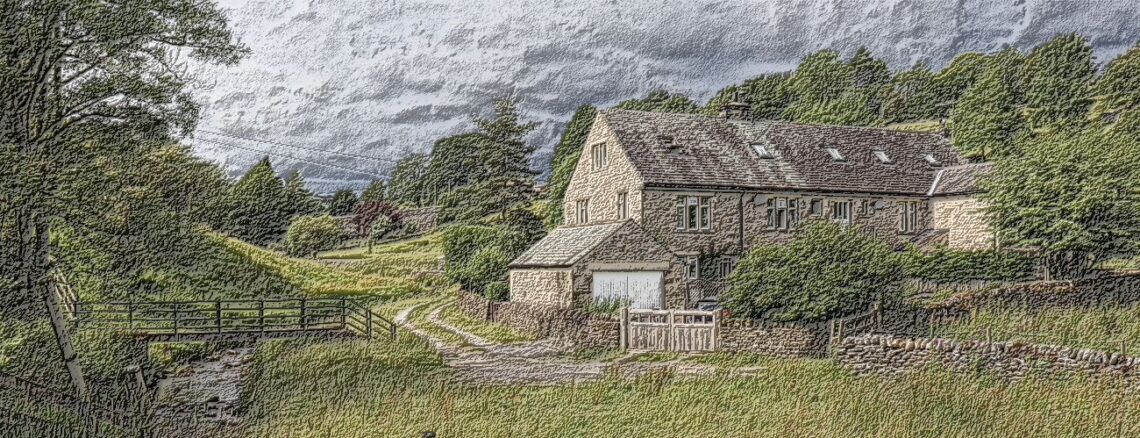
His will shows that he was a prosperous and well-established member of the village community. He owned two freehold estates in East Garston, including houses, farmland, buildings, common rights and other property. He also had enough personal wealth to leave substantial cash gifts to relatives, neighbours and the poor.
His Family Bequests
Joseph left his two freehold estates to Thomas Mabberly the younger, the son of his nephew Thomas Mabberly.
He also made cash gifts to a large number of relatives and acquaintances. These included members of the Mabberly and Elderfield families, as well as several people connected with East Garston and the surrounding area.
His named cash legacies totalled £450 which is around £87,000 today.
Among the larger gifts were:
- £50 to William Mabberly
- £50 to William Elderfield
- £50 to Henry Elderfield
- £50 to Mary Bath
- £50 to Sarah Mabberly
Other relatives received gifts of £20, £10 or £5.
Although these sums may appear small today, they were extremely valuable in the late eighteenth century. A farm labourer may have earned only about £20 in an entire year. On that basis, Joseph’s £450 in cash legacies represented roughly 23 years of a labourer’s wages.
A gift of £50 could equal about two and a half years of wages, while even a £5 legacy might represent several months’ income for an ordinary worker.
Help for the Poor
Joseph left £10 to the poor of East Garston. He instructed the churchwardens to use the money to buy bread and distribute it among people in need within one month of his death.
This was a meaningful charitable gift. At the time, £10 was roughly equal to half a year’s wages for an agricultural labourer.
Education for Village Children
One of the most interesting parts of Joseph’s will was his provision for the education of poor children.
He ordered that £2 should be paid every year, forever, from the income of his freehold estates. The money was to be used to teach four poor children from East Garston to read until they could read the Bible well.
The payment was to be made in two instalments each year at Michaelmas (29 September) and Lady Day (25th March). If the owner of the estates failed to pay, the churchwardens were given the legal right to take action against the property.
This suggests that Joseph wished to leave a lasting benefit to the village, not simply a one-time donation.
His Burial
Joseph asked to be buried in a plain and Christian manner according to the custom of his family.
He also instructed his executor to arrange for a handsome gravestone to be erected in East Garston churchyard, similar to that of his brother Henry Elderfield.
This request indicates that family remembrance and burial tradition were important to him.
How Wealthy Was He?
It is impossible to calculate Joseph Elderfield’s exact fortune because the will does not give the size or value of his two estates.
However, his cash legacies alone had the ordinary purchasing power of roughly £80,000 to £90,000 in modern money. Compared with wages and social position, their importance may have been closer to several hundred thousand pounds today.
His land, houses and farm buildings were probably worth considerably more than the cash gifts.
Joseph Elderfield was therefore not merely a working farmer. He appears to have been a successful landowning yeoman, comfortably wealthier than most agricultural workers and probably a respected figure in East Garston.
His will also shows that he cared about his extended family, the poor of the parish, the education of local children and the preservation of his family’s memory.

Transcription
The Will of Joseph Elderfield (1792)
A full transcript of Joseph’s will was completed in June 2024 with the use of GenAI. Once complete, GenAI then created a more readable version.