-
-
Genealogy Websites and Software
Websites The following is a list of links to genealogy websites which may be of interest and use to all genealogists. They cover a wide range of content from historic records to general genealogical information. Historic Records These websites provide access to a vast array of historical records and documents…
-
Census of England and Wales
Since 1801, a census has been taken in England and Wales every 10 years. It is a head count of everyone in the country on a given night, regardless of where they may be on that night. This ensured everyone was counted only once and nobody was counted twice. The…
-
Origins of the Campton Surname
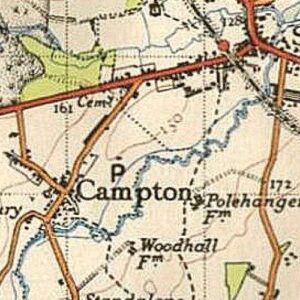
The origins of the Campton surname are in the place name of a village in Bedfordshire, England. People on this website, though, herald from Warwickshire and Leicestershire, often with biblical first names. The earliest known ancestor Gabriel Campton (1680-1710) of Corley is an example of this. The members of the…
-
Receipts with Postage Stamps
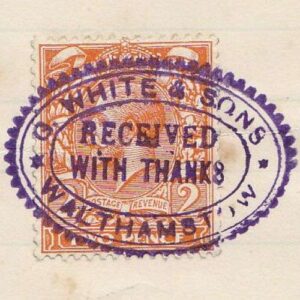
A recent discovery of old receipts sparked an interest concerning why they all had a postage stamp affixed to them. It was initially assumed that this was for some kind of authenticity purposes because each one had writing or a company stamp across it. However, this seemed unlikely when considering…
-
Origins of the Surnames of England
Early English settlements were small. Dwellers were able to use just a personal name or a nickname in order to distinguish themselves from each other. As settlements grew, and populations increased, the need to identify people further became apparent. James the baker, John from Preston and Elizabeth of the wood became…
-
The Settlement Act of 1662
Since the introduction of the poor law of 1601, the relief of the poor was the responsibility of the local parish. Some parishes provided more relief than others and this generosity made them vulnerable to exploitation by those seeking poor relief. Some people seeking relief abused the system by moving…
-
The Old Poor Law
The Act for the Relief of the Poor 1597 was the first complete code for poor relief. It refined and formalised practices by consolidating previous legislation dating back to the late-medieval period. Later amendments led to the creation of the Act for the Relief of the Poor 1601, known as…
-
The Poor Laws of England & Wales
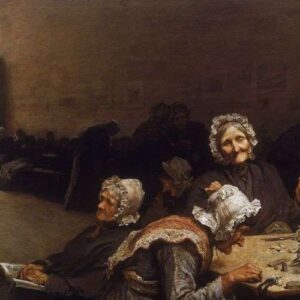
The poor laws were designed to relieve poverty by providing a system of poor relief. Their origins lay in the late medieval and Tudor periods, and they lasted until the early 20th Century when their demise was instigated by changes that cumulated in the establishment of the modern welfare state.…